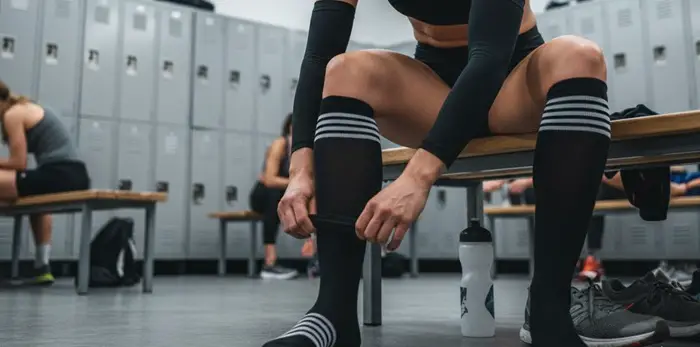
You might not think twice about what’s hugging your feet every day — but your socks have a bigger job than just keeping you cozy or completing your outfit.
Whether you’re sprinting across a field or lounging at home, the right socks can mean the difference between comfort and calluses, or between staying fresh and dealing with swampy, smelly feet.
So, what’s really the difference between your everyday regular socks and those high-performance athletic socks that promise breathability, moisture control, and extra support?
Let’s break it down layer by layer — literally.
Regular Socks
Regular socks are the everyday heroes of the wardrobe. They’re the ones you grab before heading to work, running errands, or lounging on the couch.
Traditionally, they’re made from cotton, polyester, or a cotton-blend. Cotton gives that soft, cozy feel, while synthetic fibers like polyester or nylon help improve stretch and durability.
However, there’s a catch — cotton alone traps moisture. Once your feet start sweating, the fabric tends to hold onto that moisture, leading to discomfort, odor, and even blisters if you’re walking a lot.
That’s fine if you’re wearing them to the office — not so fine if you’re running a marathon.
Types of Regular Socks
You’ll find regular socks in endless variations:
- Crew Socks – The classic length that hits mid-calf, great for everyday wear.
- Ankle Socks – Perfect for low-top sneakers and casual outings.
- No-Show Socks – Disappear into loafers or sneakers, ideal for warm weather or minimalist looks.
- Dress Socks – Thinner, smoother, and more polished, often made with finer materials like silk blends or mercerized cotton.
These socks are mostly about style and light comfort, not performance. They do their job well — as long as that job doesn’t include sweating it out on a track.
Who Should Wear Regular Socks?
If you’re sitting at a desk, walking short distances, or simply looking for everyday comfort and fashion, regular socks are your go-to.
They’re affordable, easy to find, and come in every color and design imaginable. But for intense physical activity? You might want to upgrade.
Sports Socks for Athletes
Athletic socks are a different breed altogether.
They’re engineered, not just made. These socks are typically constructed from synthetic blends like nylon, polyester, spandex, and sometimes natural fibers like Merino wool for high-end options.
Why Merino wool? Because it’s a temperature-regulating, moisture-wicking, and anti-odor powerhouse — perfect for athletes training in the winter or those with cold feet issues. Unlike regular wool, Merino is fine, soft, and itch-free.
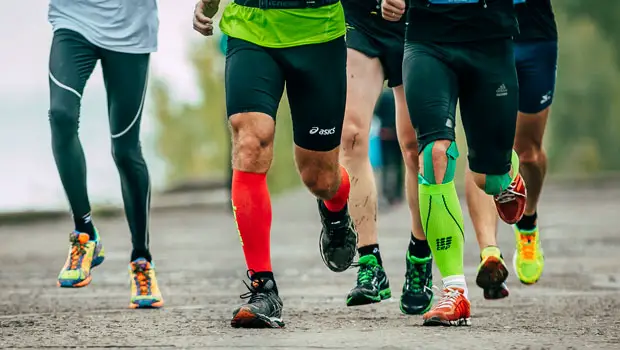
Athletic socks are designed with strategic compression zones, reinforced heels and toes, and ventilation panels.
The idea is to enhance circulation, reduce friction, and keep your feet cool even during the most demanding games or workouts.
Types of Athletic Socks
Different sports demand different sock builds — and the industry has evolved to meet those needs.
- Running Socks: Lightweight, moisture-wicking, and with minimal seams to avoid blisters.
- Training Socks (Gym/Workout): Offer arch support, compression, and added cushioning for jumping, squats, and impact movements.
- Cycling Socks: Thin but compressive for aerodynamic fit and ventilation.
- Basketball or Volleyball Socks: Thicker, with extra padding for high-impact landings and lateral movement.
- Hiking Socks: Often Merino wool-based, built to regulate temperature and resist odor during long treks.
- Badminton and Tennis Socks: Mid-thickness, focus on shock absorption and quick-dry comfort.
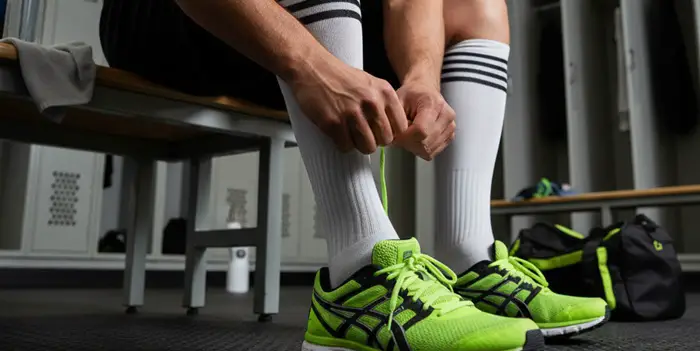
- Hockey or Soccer Socks: Taller designs that support shin guards and allow circulation while staying snug.
Essentially, sports socks are purpose-built gear. They’re the invisible yet critical element that keeps athletes performing at their best.
Who Should Wear Athletic Socks?
If your daily routine includes running, exercising, or participating in sports like volleyball, hockey, or even brisk walking, you’ll benefit immensely from athletic socks.
They keep your feet dry, supported, and blister-free while also improving endurance through better foot temperature regulation and compression support.
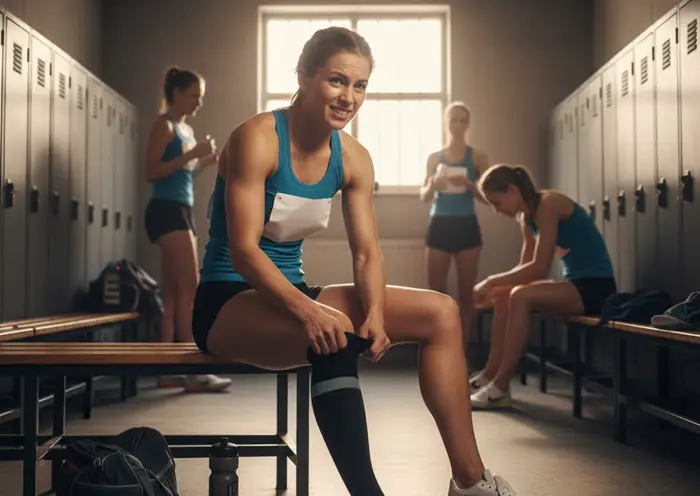
Athletic vs. Regular Socks – What’s the Difference?
Let’s pit them against each other in a few key categories:
| Feature | Regular Socks | Athletic Socks |
|---|---|---|
| Material | Usually cotton or basic blends | High-performance synthetics, sometimes Merino wool |
| Thickness | Varies from thin (dress socks) to medium | Designed by sport — light for running, thicker for impact sports |
| Cushioning | Minimal, meant for casual use | Zoned padding for heels, toes, and arches |
| Moisture Absorption | Cotton traps moisture | Moisture-wicking technology keeps feet dry |
| Odor Resistance | Low, can retain smell | Many use antimicrobial fibers or natural odor resistance (like Merino wool) |
| Compression | Usually none | Built-in compression improves blood flow |
| Durability | Moderate | Reinforced and more long-lasting |
| Cost | Affordable | Pricier but performance-oriented |
| Purpose | Style, daily comfort | Performance, protection, and endurance |
In short, regular socks win on comfort and cost, but athletic socks dominate in performance, longevity, and hygiene.
What Sock Materials are Good for the Comfort and Performance of Athletes?
Athletic performance isn’t just about footwear — socks play a huge role in keeping feet healthy and blister-free. The best socks for athletes combine breathability, flexibility, moisture-wicking, and durability.
Here are the key materials to look for:
- Nylon: Durable, lightweight, and quick-drying. Great for running and high-intensity sports.
- Polyester: Common in performance socks for its strength and ability to wick away sweat effectively.
- Spandex (or Elastane): Adds stretch, ensuring a snug fit that moves with your feet.
- Acrylic: Provides warmth while staying breathable — useful for cooler sports seasons.
- Merino Wool: Excellent for cold climates and winter workouts. It naturally controls odor, keeps feet warm yet dry, and feels luxuriously soft.
High-quality sports socks often blend two or more of these fibers for the perfect balance between support, ventilation, and temperature control.
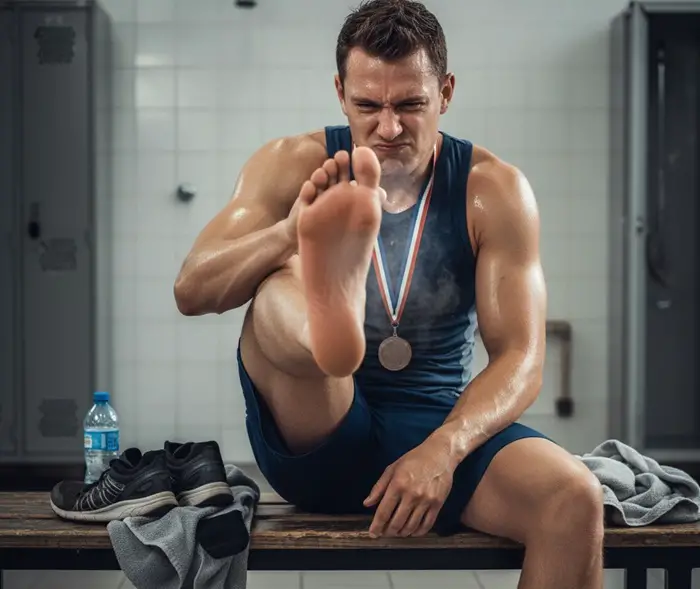
What Type of Athletes’ Socks Help Prevent Sweating? Socks Fabric Good for Smelly Feet
Sweaty feet are not just uncomfortable — they can cause blisters, athlete’s foot, and even ruin shoes over time.
The best socks to combat this are moisture-wicking athletic socks made from synthetic fibers or Merino wool.
These materials draw moisture away from your skin to the outer layer of the sock, where it can evaporate quickly.
Some premium brands even include mesh ventilation panels around the arch and upper foot to improve airflow.
For athletes who sweat excessively, compression socks or double-layer running socks are also excellent. They prevent friction between fabric and skin, reducing the chance of hot spots and blisters during long runs or games.
And if odor is a recurring issue? Look for socks treated with antimicrobial silver ions or copper fibers — these inhibit bacterial growth, keeping your feet fresh even after hours of action.
What sock fabrics are good for smelly feet?
Nobody wants to deal with smelly feet after a workout — but the culprit is often the wrong fabric. Cotton, though comfortable, retains sweat and becomes a breeding ground for bacteria.
The best odor-fighting fabrics include:
- Merino Wool: Naturally antimicrobial and moisture-wicking, perfect for odor control in both summer and winter.
- Bamboo Fiber: Soft, breathable, and naturally resistant to bacterial growth.
- Copper or Silver-Infused Yarns: Kill odor-causing bacteria and improve hygiene.
- Polyester with Antimicrobial Treatment: Common in performance brands for all-day freshness.
So, if your feet are prone to sweating or smell, switching to high-performance fabrics can make a night-and-day difference.
Related FAQs
Are athletic socks worth the extra cost?
Absolutely. While they may cost more than regular socks, athletic socks offer superior comfort, moisture control, and durability. For anyone exercising regularly or walking long distances, they’re a worthwhile investment.
Can I wear athletic socks for daily use?
Yes, and many people do. In fact, athletic socks can enhance comfort even for casual wear — especially if you’re on your feet a lot or live in warm, humid areas.
Are Merino Wool Socks only for winter?
Not necessarily. Merino wool regulates temperature — keeping feet warm in winter and cool in summer. It’s ideal for anyone who experiences cold feet or trains outdoors year-round.
What’s the best sock type for running or gym workouts?
For running, go with lightweight, low-cut, moisture-wicking socks. For gym workouts or training, mid-thickness compression socks provide arch support and shock absorption.
Final Thoughts
Your socks might not be the star of your athletic gear, but they play a vital supporting role.
Regular socks are fine for everyday wear — soft, stylish, and affordable. But when performance, hygiene, and comfort truly matter, athletic socks win hands down.
They keep your feet dry, cushioned, and odor-free, while reducing friction and fatigue during activity.
Whether you’re sprinting across a field, hiking a trail, or hitting the gym, a pair of well-engineered athletic socks can elevate your comfort — quite literally from the ground up.
So the next time you’re tempted to slip into those old cotton socks for a workout, remember: your feet deserve better.
Treat them to the comfort and science of performance socks — they’ll thank you with fewer blisters, better grip, and a lot less smell.
Athletes are always searching for small performance edges—those tiny tweaks that can make training more Read more
If you’re a regular runner, you already know the difference a good pair of socks Read more
Regardless of the fact that everyone wants cotton, remember it doesn’t absorb moisture like synthetic Read more

If you’ve ever sprinted across scorching sand during a beach volleyball match, you know that Read more