
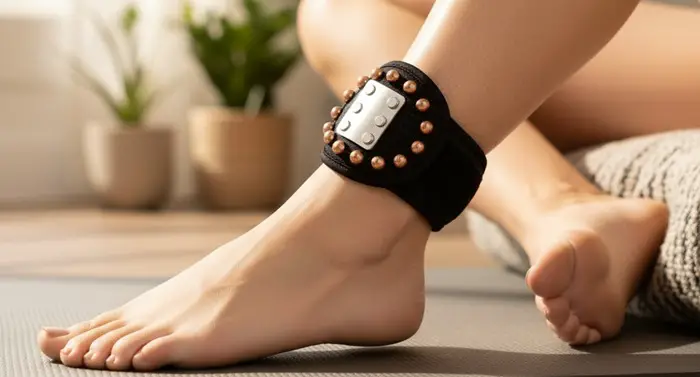
You’ve probably seen those sleek metallic anklets glinting around someone’s ankle — and no, they’re not just fashion jewelry.
Magnetic anklets have quietly stepped out of the “alternative healing” aisle and onto the wrists and ankles of athletes, wellness enthusiasts, and even tech professionals who swear by their subtle energy boost.
Now, are they miracle gadgets or just cleverly marketed accessories? The truth, as usual, sits somewhere between physics and placebo.
But one thing’s for sure — magnetic therapy anklets have fascinated both believers and skeptics for decades.
Let’s see what makes them tick (magnetically speaking), what they’re made of, and whether they’re worth a spot on your ankle.
What Exactly Are Magnetic Anklets?
Magnetic pain relief anklet are wearable bands embedded with tiny permanent magnets designed to deliver low-intensity magnetic fields around the ankle area.Most of them contain neodymium magnets — among the strongest available — usually rated between 800 to 3,500 gauss (a unit measuring magnetic strength).
The materials vary:
- Stainless steel for durability and shine,
- Copper for its traditional anti-inflammatory reputation,
- Titanium for lightweight strength and hypoallergenic comfort, and
- Hematite or germanium beads for a more natural, mineral-based look.
These magnets are often placed in alternating north-south polarity so the field can interact with the body’s ions and blood flow more effectively.
The theory is simple: magnets influence iron and charged particles in your blood, potentially improving circulation, reducing inflammation, and promoting balance in the body’s natural energy field.
Sounds futuristic? A little. But the principle isn’t new — magnetic therapy dates back thousands of years, used in ancient Chinese and Greek healing practices.

7 Benefits of Magnetic Therapy Anklets
Research on magnetic therapy is mixed. Some studies show temporary pain relief or better circulation, while others find no measurable difference compared to placebo.
However, many scientists note that the placebo effect can itself trigger positive physiological changes — especially in pain perception and relaxation.
That’s why millions still wear them. Whether it’s the magnetic field subtly influencing ions, or simply a daily ritual that reminds you to care for your body, the outcome — feeling better — still counts.
Here are a few advantages that you can get when wearing these anklets…
1. May Improve Blood Circulation
Magnetic fields are believed to help expand blood vessels and enhance microcirculation, especially near the area of contact.
Better circulation can mean improved oxygen delivery and waste removal — critical for muscle and tissue recovery.
While the science is still debated, some small studies and user reports suggest noticeable improvement in warmth and comfort around the ankles and feet.
2. Helps in Pain Relief (Especially Joint and Ankle Pain)
Magnetic anklets and ankle pain relief bacelet are often marketed for arthritic or joint pain relief.
The local magnetic field may alter how pain signals are transmitted through nerves, potentially desensitizing pain receptors.
That’s why many people with ankle stiffness, plantar fasciitis, or minor sprains claim reduced soreness after consistent wear.
3. Reduces Inflammation
Chronic inflammation often arises from oxidative stress and restricted blood flow. Magnets might help regulate calcium ion movement across cell membranes, reducing pro-inflammatory responses.
Though not a replacement for medical therapy, this effect — combined with gentle pressure from the anklet — could contribute to mild anti-inflammatory relief.
4. Boosts Energy and Reduces Fatigue
Feeling sluggish? Some wearers report that magnetic anklets make them feel more “charged” and less tired.
It’s theorized that improved oxygenation and better energy metabolism in muscle tissues could contribute to this. Of course, whether that’s biology or belief, the result — higher perceived vitality — can’t be denied.
5. Promotes Relaxation and Better Sleep
By subtly influencing melatonin production and stress hormone balance, magnets may promote a more relaxed nervous state.
Some people find wearing a magnetic anklet at night helps them unwind faster or sleep deeper. Think of it as a non-digital wellness wearable — no app, no charging, just magnetism doing its quiet work.
6. Supports Recovery After Exercise
Athletes sometimes use magnetic anklets as part of their post-training recovery routine. Improved circulation helps clear lactic acid faster and may reduce muscle soreness.
If you often feel your calves and ankles tighten up after workouts, a magnetic anklet or a neuropathy relief bracelet could be your low-effort recovery companion.
7. Stylish + Functional Accessory
Even if you’re skeptical about the science, there’s no denying one benefit: they look good.
With polished metal finishes, matte hematite beads, or minimalist titanium bands, magnetic anklets strike a balance between aesthetic appeal and subtle functionality.
It’s wellness that actually complements your outfit — rare in the health gadget world.
Limitations of Magnetic Anklets and Bracelets
Before you magnetize your ankle and call it a day, let’s ground things in reality.
Limited Clinical Proof: While anecdotal evidence is abundant, large-scale scientific studies are inconclusive.
Many benefits may arise from the placebo effect, which isn’t a bad thing — the mind-body connection is powerful — but it’s worth knowing.
Not for Everyone: People with pacemakers, insulin pumps, defibrillators, or metal implants should avoid magnetic anklets altogether, as magnets can interfere with these devices. Pregnant individuals are also advised to skip them.
Possible Skin Reactions: Prolonged wear may cause skin discoloration (especially with copper) or mild irritation. Always choose hypoallergenic materials if you have sensitive skin.
Not a Substitute for Medical Treatment: Think of magnetic anklets as complementary wellness tools, not cures. Chronic pain, arthritis, or circulatory disorders still require medical diagnosis and treatment.
So yes — they’re intriguing, but not magic. Consider them a small boost, not a solution in themselves.

Considerations When Choosing the Right Magnetic Anklet
If you’re considering buying one, look beyond the design:
- Magnet Strength: Choose 800–3,500 gauss range for general wellness.
- Material: Titanium for hypoallergenic comfort, copper for traditional healing, stainless steel for durability, and hematite for a natural look.
- Fit and Comfort: Adjustable bands prevent tightness or skin marks.
- Polarity Arrangement: Alternating north-south magnets offer more balanced field exposure.
Tip: Avoid fake “super high-gauss” claims or plastic magnets. A quality anklet should feel solid, lightweight, and well-finished.
How to Wear an Ankle Pain Relief Bracelet for Maximum Benefit?
Wearing a magnetic or pain-relief anklet isn’t rocket science — but a little technique can make a big difference in comfort and effectiveness.
Think of it like tuning a guitar: the right fit, position, and consistency matter more than you’d expect.
1. Choose the Right Fit (Not Too Tight, Not Too Loose)
Your anklet should sit snugly above the ankle bone, allowing gentle movement without squeezing. If it’s too tight, it can restrict circulation, which defeats the very purpose.
Too loose, and it’ll just roll around, losing proper magnetic contact with the target area. Ideally, you should be able to slide one finger comfortably between your skin and the anklet.
2. Pick the Correct Leg and Time
For general pain relief or circulation, you can wear it on either leg, but people with localized pain (say, right ankle joint issues) usually prefer the affected side.
Magnetic anklets can be worn day and night, though beginners might start with 4–6 hours a day to let the skin adapt. Some users even prefer wearing it overnight for relaxation and morning flexibility.
3. Stay Consistent, Keep It Clean and Dry
Like most therapeutic wearables, consistency matters more than intensity. The benefits of magnetic fields or pressure points accumulate gradually. So, wear it regularly for a few weeks before judging its effects.
Since sweat and moisture can affect both your skin and the anklet’s finish, wipe it daily with a soft cloth and remove it before showering or swimming. Copper models may darken slightly over time — that’s natural oxidation, not damage.
Conclusion
Magnetic anklets sit at the intersection of wellness and wearable design — part science, part style, and part belief system.
Whether you wear them for circulation, comfort, recovery, or simply because they look great, they’ve earned their spot as one of the more elegant “wellness hacks” out there.
At worst, you’re wearing a classy accessory that reminds you to slow down, breathe, and pay attention to your body. At best, you’re getting genuine pain relief and better blood flow from a piece of physics-inspired jewelry.
Either way, it’s a win. Maybe it’s not magic — maybe it’s just magnetism doing its subtle job.

If you’ve ever finished a run only to feel that dull, nagging ache around your Read more

It is disheartening to reveal that foot and ankle pain in children can keep them Read more

The risk of the ankle getting injured has been common among basketball players. Fortunately, an Read more
An ankle sprain is the most common issue that athletes (as well as common people Read more