
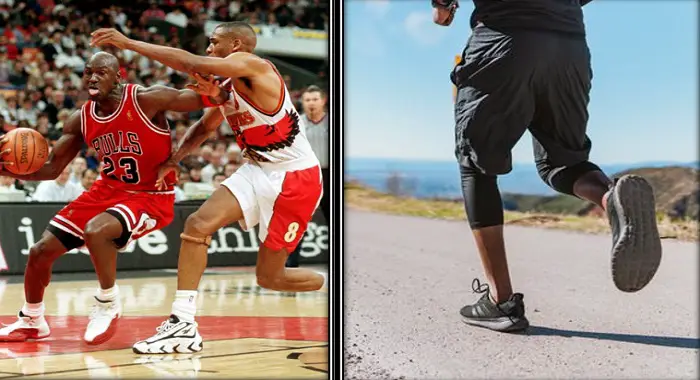
Using the right type of shoe for running or walking is important. The fact is, if you use a specific type of shoe that is not meant for a particular activity, it can often lead to injury and soreness over time.
Sports experts suggest that it would be wise for you to opt for a specific type of shoe that is meant for walking or running (and not your basketball shoes). Keep your basketball shoes for your sports activities and not for running.
While they’re fantastic for swift pivots, explosive jumps, and ankle-saving lateral movements on the court, hitting the pavement in them can be a whole different story—one that your feet, joints, and running performance might not appreciate.
Before you turn your next jog into an accidental experiment, let’s break down the real dangers of running in basketball shoes and why your body deserves better.
Why Basketball Shoes aren’t Built for Running?
Basketball shoes are masterpieces of engineering—but for one specific sport.
They’re designed to support intricate, multi-directional movements: side shuffles, sudden changes in direction, backpedaling, rebounding impact, and the occasional “hero moment” dunk attempt.
But running? Running is a different universe.
Here’s how basketball shoes usually differ:
1. Heavier build – Basketball footwear has thicker cushioning, rigid materials, ankle padding, and structural support—all of which add weight. Running requires lightweight shoes that promote effortless forward momentum.
2. Stiff soles – Basketball shoes prioritize stability and lateral resistance; running shoes prioritize flex and forward roll.
3. High ankle collars – Great for preventing ankle rolls on the court. Not so great for long strides—they limit ankle mobility and natural foot movement.
4. Flat, wide outsoles – Made for a hardwood grip. Running shoes, in contrast, have curved soles designed for heel-to-toe transition.
5. Cushioning placement differences – Basketball shoes have cushioning for vertical impacts (jumping). Running shoes cushion for repetitive horizontal strikes (running gait).
In short, basketball shoes are running shoes’ stubborn, muscular cousins—strong, stable, dependable, but not really built for endurance.
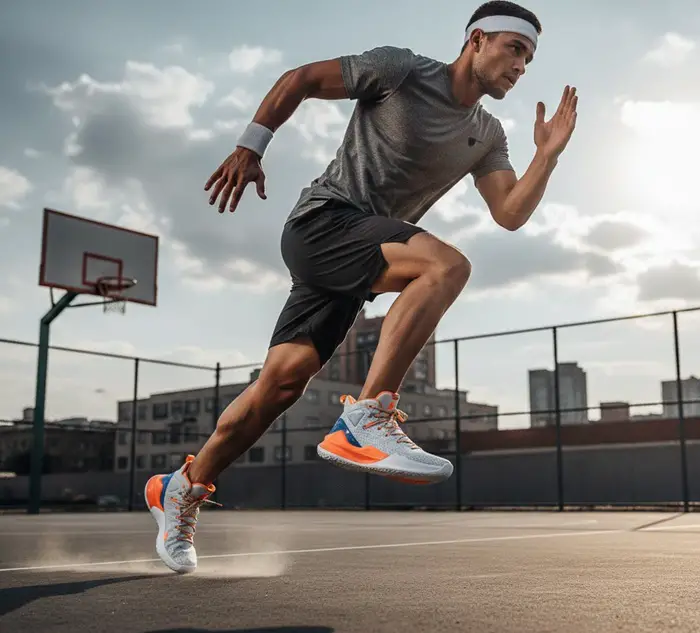
The 5 Major Dangers of Running in Basketball Shoes
Running biomechanics revolves around a smooth flow of movement from heel to toe.
Your stride looks like a chain reaction: foot strike, transition, toe-off, and then recovery. Good running shoes encourage this efficient motion.
But basketball shoes? They interrupt it.
Stiff soles resist bending, forcing your feet to land harder and push off less efficiently. Also, heavy shoes weigh your legs down, reducing stride efficiency.
Because they’re designed for neutral court movement, basketball shoes don’t support the rolling motion of the foot in running.
These subtle disturbances snowball over distances. Before you know it, your running form collapses like a poorly stacked Jenga tower.
Running in basketball shoes feels like lifting small weights with every step.
Now, if you aren’t yet convinced, here are the 5 major risks of running (or even walking) in your basketball shoes.
1: Increased Risk of Knee, Hip, and Back Pain
Let’s address the most common problem first: joint stress.
Basketball shoes are stiff, heavy, and built to support quick lateral motions—not repetitive forward motion. When you run in them:
- Your knee alignment changes
- Your foot strike becomes harder
- Your hips compensate for restricted ankle movement
- Your lower back absorbs shock unevenly
Over time, this can lead to:
- Patellofemoral knee pain
- IT band discomfort
- Hip flexor tightness
- Lower back strain
If your knees ever felt “off” after a run—even a short one—your shoes may be to blame, not your fitness level.
2: Poor Shock Absorption Leads to Faster Fatigue
Basketball shoes do have cushioning—but it’s made for jumping, which is very different from running.
Running generates repetitive impact forces, and without the right cushioning, your legs tire faster.
Why does this happen?
- Basketball cushioning is often denser and firmer
- It’s designed to protect from sudden, high-impact, not repetitive micro-impact
- Each step becomes harder on your feet and calves
- Fatigue sets in sooner, making your run feel twice as long
Think of it like riding a bike with half-inflated tires: you’ll get where you want to go, but you’ll work twice as hard.
3: Higher Chance of Foot Injuries
This is where things get serious. Basketball shoes increase your risk of foot-specific injuries because they compromise natural motion.
Common issues include:
- Blisters & hot spots – Excess friction from stiff materials and tight ankle collars.
- Plantar fasciitis – Overworking your foot’s arch due to inadequate forward-flex cushioning.
- Toe pain or black toenails – Basketball shoe toeboxes are often narrow and not optimized for running toe splay.
- Achilles tendon strain – High collars and rigid heel counters can restrict movement.
- Midfoot discomfort – Because the shoes don’t bend where your foot naturally flexes.
Basically, your feet are trying their best, but the shoes are not cooperating.
4: Reduced Running Efficiency and Slower Performance
If you’re running for fitness, speed, or stamina, basketball shoes will definitely hold you back.
Here’s why you’ll run slower:
- The extra weight drains energy
- Stiff soles disrupt forward roll
- Poor shock absorption forces shorter strides
- Less flexibility = less propulsion
- More fatigue = slower finishes
Your body spends more time fighting the shoe than focusing on the run.
In simpler terms, imagine running while carrying small ankle weights and wearing a mobility-restricting boot. Not ideal.
5: Premature Wear and Tear on the Shoes Themselves
Even if you don’t mind sacrificing your feet, your wallet might take a hit.
Basketball shoes are designed for indoor courts—not rough pavement, dusty footpaths, asphalt, or gravel.
Running outdoors in them leads to:
- Faster outsole wear
- Cushion breakdown
- Fraying seams
- Midsole stiffening
- Fabric tearing
What should’ve lasted a year of indoor play may break down in just a couple of months of outdoor running. And basketball shoes aren’t cheap.
So, Can You Ever Run in Basketball Shoes? (When It’s Okay)
With all the above information in mind, you may be thinking about whether your basketball shoes can be used anywhere outside the court or not.
Worry not; there are some set situations where a basketball shoe can be beneficial for other activities.
While they aren’t often considered a good idea for running, here are situations where running in basketball shoes might be fine:
- Short, quick jogs (10–15 minutes) – For warm-ups or cooldowns only.
- Emergency situations – When they’re literally your only option.
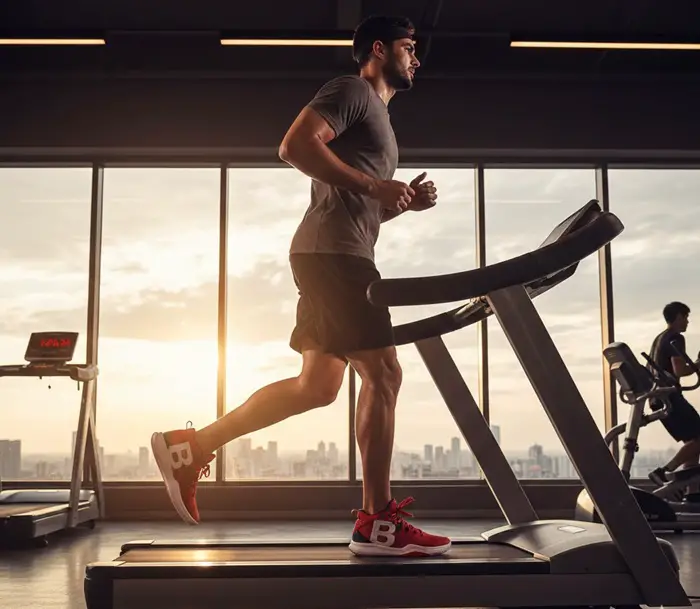
- Light treadmill walking/jogging – Short durations only, not long runs.
- Casual sports that involve some running – Like a pickup game that includes jogging around.
If you are overweight
Running or doing activities like Zumba in basketball shoes, if you are overweight, can also be helpful for extra ankle stability. As long as you stick to asphalt, you will have great traction as well.
Running in other shoes can give you a lighter experience, but preventing injury and movement can be a great way to cut down on pounds before you switch to a performance shoe.
You want to play a sport on wood gym floors
If you are playing a sport like indoor handball, dodgeball, and more on indoor surfaces, choosing the option of a basketball shoe can give you the perfect shoe for the environment.
Rather than sliding all over the place, you will finally have the grip and support you need.
But, keep in mind:
- No running 5K, 10K, or long distances
- No sprint interval training
- No daily jogging routine or treadmill running for long durations
If you’re serious about running, the basketball shoes won’t cut it.
Better Alternatives: What Type of Shoes Should You Run in Instead?
If your running habit is even semi-regular, investing in proper running shoes is a game-changer.
They offer: better cushioning, lighter construction, proper flex and roll, better energy return, less fatigue, and lower risk of injury.
Types of running shoes you can choose from:
- Neutral running shoes – Best for runners with a natural gait.
- Stability running shoes – Great for mild-to-moderate overpronators.
- Motion control shoes – For flat-footed runners who need heavy support.
- Cushioned running shoes – Perfect if you want maximum softness.
- Lightweight/speed shoes – Designed for faster runs or races.
- Trail running shoes – For running on rocky terrains and uneven surfaces.
If you’re unsure of your gait, any sports shoe store can analyze it in minutes—this alone helps you choose the right pair for your feet.
Related FAQs:
Why do my knees hurt when I run in basketball shoes?
Because the basketball shoes have stiff soles and heavy construction, they disrupt your natural running form and increase impact on your knees, hips, and lower back.
Are basketball shoes bad for treadmill running?
For walking or a light warm-up, basketball shoes are fine. Even for short jogs of 10–15 minutes, these are generally okay.
But anything longer can strain your joints and feet because basketball shoes aren’t built for repetitive forward motion. For longer treadmill runs, they might cause fatigue and joint stress due to limited flexibility and poor heel-to-toe transition.
Can basketball shoes cause ankle and foot injuries if used for running?
Yes. Your basketball shoes, if not used correctly, can lead to blisters, toe pain, plantar fasciitis, midfoot discomfort, and even Achilles strain because they restrict natural foot movement.
If you run regularly, choose proper running shoes—neutral, stability, or cushioned—depending on your gait and foot type. They offer better shock absorption, flexibility, and efficiency for safe, comfortable running.
Final Thoughts – Don’t Let the Wrong Shoes Break Your Stride
Running is one of the simplest, healthiest habits you can build. All it truly requires is motivation, consistency, and the right pair of shoes. Basketball shoes look cool, feel supportive, and serve their purpose brilliantly—but only within their designated battlefield: the court.
Outside the hardwood, they become obstacles rather than allies.
If you’ve been running in them for a while, your feet, knees, and back may already be whispering complaints. Switching to proper running shoes isn’t about being fancy—it’s about preserving your joints, avoiding injuries, improving performance, and actually enjoying your runs.
Your body deserves footwear that supports your goals, not restricts them. Make the upgrade. Your future knees will thank you.


High heels may be small in size, but they carry an oversized influence on how Read more
Arthritis is a swelling that takes place in one or more joints due to pain Read more
Leg injuries, fractures, and ankle sprains are nothing new for athletes. The most depressing part Read more
Those who love to jog and run face many challenges in keeping their feet, ankles, Read more