
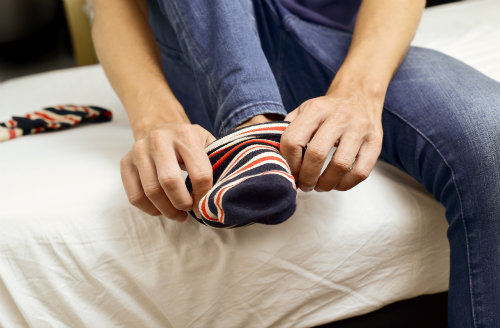
Regardless of the fact that everyone wants cotton, remember it doesn’t absorb moisture like synthetic fabrics. Think about the fact that all your workout apparel is made of synthetic fabric.
It is because they can readily absorb moisture better than cotton. The same goes for your socks.
This is the reason why many athletes go for socks that specialize in absorbing sweat and keeping their feet dry.
With that said, it is also essential that you care to change your socks often.
But the question is: how often should you change your socks? Once a day, once a week, once a month, or anything in between?
Let’s try to get an answer to this question in the article below. We will also determine why many people are reluctant to change their socks and what the possible outcomes may be when socks are not changed frequently.
How Often to Change Your Socks?
If you’ve ever wondered, “Do I really need to change my socks daily?”—the short answer is yes.
The long answer? Well, it depends on how sweaty, active, outdoorsy, or unlucky your feet are on any given day.
Socks may look harmless, but they’re basically tiny fabric ecosystems holding moisture, heat, dead skin cells, and bacteria.
Leave them on too long and your feet can turn into a warm vacation resort for fungus—and nobody wants athlete’s foot filing a permanent residency claim.
So let’s break down how often you really need to swap those socks, based on science and real-world scenarios.
The golden rule, for most people, is to change their socks once every 24 hours.
Daily changes of your socks help prevent:
- Odor-causing bacteria buildup
- Moisture retention that leads to blisters
- Fungal infections like athlete’s foot
- Skin irritation and maceration
But life isn’t always “standard conditions”—so your socks shouldn’t be either.
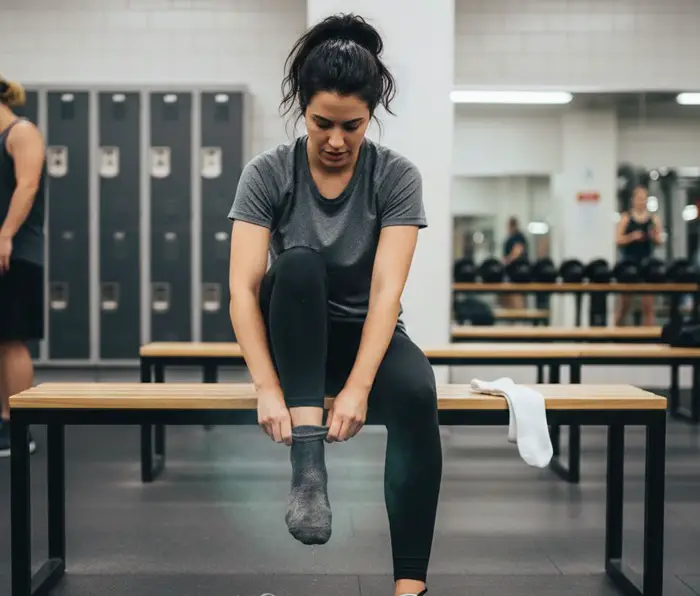
When Should You Change Socks More Often?
Remember that some days, your feet behave like calm, well-mannered citizens—and other days, they turn into tiny heat generators begging for fresh fabric.
In these situations, changing socks more often isn’t optional; it’s basic foot survival. Here’s when to swap them out faster than usual:
1. When you sweat more (gym, running, heat, stress)
If your feet tend to sweat like they’re training for a humidity championship, your socks will soak up every drop—turning into a warm, moist playground for bacteria.
After workouts, runs, or even long hot days, it’s best to switch to a fresh pair immediately.
Sweat increases friction, softens the skin, and accelerates the growth of odor-causing bacteria, so changing socks every 4–6 hours in such conditions helps keep your feet dry, clean, and blister-free.
2. When wearing work boots or closed shoes all day
Work boots act like heated chambers—great for protection, not so great for ventilation. When feet stay enclosed in thick footwear for long hours, perspiration builds up faster than you realize.
Changing your socks every 8 hours, or midway through the day if you’re constantly on your feet, helps reduce heat buildup and prevents that muggy “boot smell” from turning permanent.
It also minimizes moisture-related irritation inside your footwear.
3. Cold weather or winter hiking
Cold weather tricks you: your socks may feel dry, but the insulation and thick layers trap moisture around your feet.
Wool socks can hold up to 30% of their weight in moisture without feeling wet—so your skin is slowly softening even when you can’t feel it.
Whether you’re hiking, camping, or walking through snow, switch socks every 6–12 hours to prevent blisters, maintain insulation efficiency, and keep your toes warm instead of clammy.
4. If you have foot conditions (fungal infection, hyperhidrosis, diabetes)
Feet with special conditions need special attention. If you’re dealing with athlete’s foot or any fungal infection, changing socks twice a day dramatically reduces moisture and spore spread.
People with hyperhidrosis benefit from swapping socks every 4–6 hours to keep sweat under control.
For diabetics, clean and dry feet are crucial, so replacing socks at least once daily—more often if they become damp—helps maintain skin integrity and reduces infection risks.
Choosing moisture-wicking, seamless, and breathable materials makes an even bigger difference.
5. Long flights, road trips, and travel days
Travel is great for the mind but terrible for circulation. When you sit for long hours, your feet get warm, cramped, and poorly ventilated.
Even if you’re not sweating heavily, socks gradually accumulate moisture from temperature changes and reduced airflow.
Swapping to a fresh pair of ankle or no-show socks every 12 hours during long journeys keeps your feet comfortable, reduces odor buildup, and helps your skin breathe again.
It’s one of those tiny changes that makes travel feel surprisingly easier.
6. Camping or outdoor activities
When you’re outdoors, your feet work overtime—hiking, walking, climbing, or just dealing with unpredictable weather.
Damp socks from sweat, rain, or dew increase your risk of hot spots and blisters, especially on rough terrain.
Changing your socks every 6–12 hours and rotating between two pairs (one drying while one is worn) is a simple but effective trick.
It keeps your feet fresh, reduces friction, and prevents that soggy-sock misery every hiker has experienced at least once.
7. If you wear compression socks
Compression socks are fantastic for circulation, travel, and long shifts—but they aren’t designed to be worn endlessly without a wash.
Because they fit snugly and trap heat, moisture collects faster than you might expect.
Changing compression socks daily is essential, and if you’re on a long shift or flight, consider switching pairs after 12–16 hours, depending on the material.
Fresh compression socks maintain their pressure more effectively and keep your skin healthier.
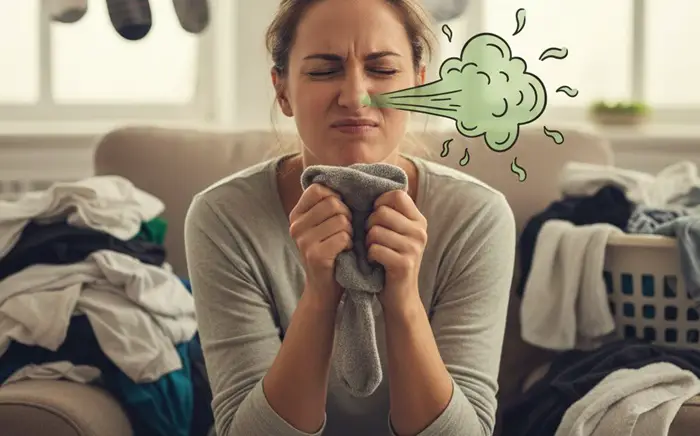
What Happens if You Don’t Change Your Socks?
The dangers of wearing socks without replacing them often can be many.
Not changing your socks is basically giving bacteria and moisture a VIP pass to your feet.
When men’s socks, women’s socks, or even high-performance running socks stay on for too long, they trap sweat, heat, dead skin cells, and bacteria—creating the perfect environment for odor, irritation, and fungal growth.
Over time, the skin softens due to excess moisture (a process called maceration), increasing your risk of blisters, cracked skin, athlete’s foot, and even painful bacterial infections.
The trapped moisture also weakens the skin barrier, making it easier for friction to cause hot spots and wounds.
In simple terms, the longer you keep the same pair on, the worse the environment becomes inside your shoes.
How Do You Know It’s Time to Replace Your Dirty Socks?
You’ll know it’s time for a fresh pair the moment your socks start feeling like a damp handshake you didn’t ask for.
If they feel even slightly moist, sticky, or warm, it’s a sign that sweat is building up and bacteria are multiplying.
Another clue is odor—once the smell kicks in, you’re already late.
Check for skin irritation, itchiness, or redness on your feet; these are early signals that moisture and friction are taking a toll.
If your socks feel stretched out, saggy, or are leaving deep marks on your skin, it’s time to switch.
And if you’ve been wearing running socks during a workout, swap them immediately afterward—no exceptions.
Basically, anytime your feet stop feeling comfortably dry, supported, and fresh, your women’s socks or men’s socks have done their duty and deserve retirement for the day.
Change vs. replace — what’s the difference?
People often mix these up.
Changing your socks simply means swapping a worn pair for a clean one—something you should do daily (or more often during workouts, travel, or sweaty conditions).
Replacing, on the other hand, is about retiring socks that have reached the end of their functional life: thinning fabric, persistent odor, stretched elastic, rough texture, or visible holes.
Changing keeps your hygiene in check; replacing keeps your feet protected and your shoes fresher in the long run.
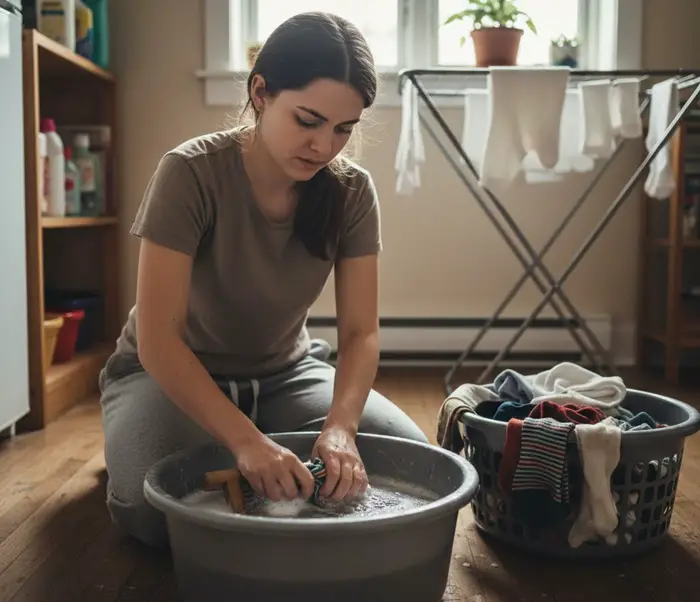
How to Wash Smelly Socks for Better Hygiene? (Tips for Deep-Cleaning)
Do you know that your everyday socks absorb up to 15–20 ml of sweat per foot per day?
Combine that with moisture-retaining cotton weaves, low ventilation inside shoes, and naturally occurring skin microbes, and suddenly, you have an odor incubator.
When warm feet sit inside tight shoes, sweat + bacteria + friction = the perfect environment for odor and foot fungus.
The fact is that wearing socks more than once only accelerates the problem.
The good news is that you can beat them with a simple washing and sanitizing your funky socks method.
Unlike popular belief, you don’t need an industrial lab, an advanced laundry routine, or expensive hosiery to protect your feet.
With a few simple, science-backed steps, you can wash smelly socks effectively, achieve optimal hygiene, and prevent those lingering odors from coming back.
Consider these methods your roadmap beyond the standard wash, ideal for anyone ready to stop the lingering stink and eliminate stubborn odors from athletic and everyday socks.
Step 1: Pre-soak in a vinegar bath
Fill your sink or a bucket with 1 gallon of warm water and mix in 2 cups of white vinegar. Let your socks soak for about 30 minutes.
White vinegar is slightly acidic (around pH 2.5), which disrupts microbial membranes.
This breaks down bacteria and fungus—the very sources of odor—making it an excellent first step in foot fungus and odor prevention.
Step 2: Rinse thoroughly
Drain the solution and rinse the socks under running water until the vinegar smell is fully gone.
Always dilute the vinegar before washing your socks. Undiluted acetic acid can leave a sharp odor and may weaken fibers over time.
Step 3: Machine wash or hand wash
Toss the socks into your washing machine with the rest of your laundry, or hand-wash separately if you want to give them extra attention.
For best results:
- Use warm—not hot—water to protect elasticity
- Choose a detergent with enzymes (lipase + protease help break down sweat residues)
- Add a half-cup of baking soda to the wash to stop the lingering stink
Step 4: Dry your wet socks completely
Throw the wet socks into the dryer and add a dryer sheet if you prefer.
Or dry outside in direct sunlight—UV rays naturally sanitize and help remove odors. Make sure they are 100% dry before wearing. Damp fabric invites microbes right back in.
A Few Additional Tips for Optimal Foot Hygiene
Keep Vinegar & Baking Soda Handy – White vinegar is inexpensive, long-lasting, and excellent for odor-neutralizing pre-soaks. Baking soda works at the molecular level to absorb and neutralize volatile compounds responsible for stink.
Rotate Socks & Avoid Wearing Socks More Than Once – Re-wearing socks without washing allows bacterial colonies to multiply exponentially—especially in athletic socks. It’s a direct shortcut to odor, discoloration, and fungal issues.
Upgrade Your Laundry Routine – Once a month, deep-clean socks with baking soda, vinegar, or an oxygen-based laundry booster. This helps maintain freshness and prevent microbial buildup.
Choose the Right Hosiery to Protect Your Feet – Moisture-wicking technical fibers (like merino wool blends or polyester microfiber) reduce sweat accumulation by improving airflow and drying faster.
The Conclusion
Changing your socks might seem like a small daily habit, but it plays a surprisingly big role in your overall foot health, comfort, and confidence.
Fresh socks regulate moisture, reduce friction, and prevent the perfect storm of odor-causing bacteria, fungal infections, and skin irritation.
Whether you’re slipping into women’s socks, men’s socks, or specialized running socks, the rule remains the same—clean pairs keep your feet happier and your shoes healthier.
Ultimately, your socks are your feet’s first line of defense. Treat them like it.
A consistent rotation of clean, dry, and well-fitted socks is one of the easiest, cheapest, and smartest habits you can build for long-term comfort and hygiene.
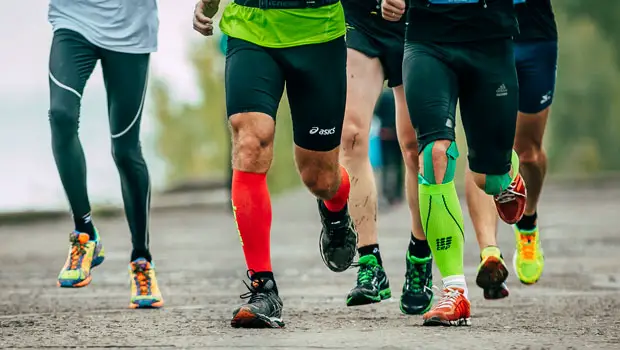
Athletes are always searching for small performance edges—those tiny tweaks that can make training more Read more
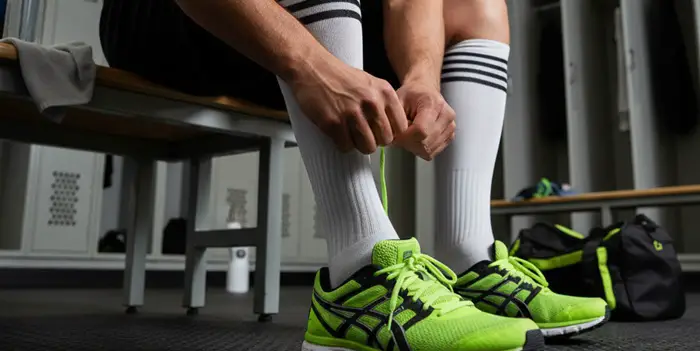
If you’re a regular runner, you already know the difference a good pair of socks Read more

If you’ve ever sprinted across scorching sand during a beach volleyball match, you know that Read more

They’re invisible, practical, and a quiet revolution in modern footwear — no-show socks are the Read more