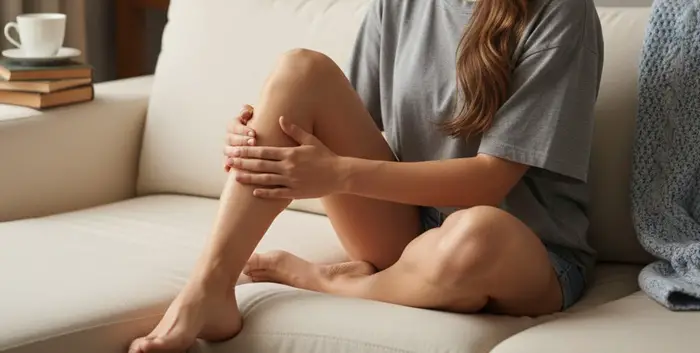
After a long day of walking, standing, or hustling through errands, your feet deserve more than just a pair of cozy slippers — they deserve attention.
Think of your nightly foot massage as a mini spa ritual that doesn’t require an appointment or fancy oils.
Beyond relaxation, the benefits of massaging your feet stretch far deeper — from calming your mind to improving your overall health.
In fact, experts agree that consistent foot massages can have systemic effects on the body by stimulating nerves, muscles, and even internal organs through reflexology points.
So, before you call it a night, grab a little lotion, roll your ankles, and let’s explore 15 amazing benefits of massaging your feet before bed — plus a bit of science behind the magic.
15 Benefits of Foot Massage Before Bed
Foot massage has roots in ancient civilizations — from Egypt’s reflexology charts found on tomb walls to China’s traditional meridian therapy dating back 3,000 years.
Both systems recognized that stimulating specific points on the foot could influence internal organs and overall health.
If you are eager to know the benefits, here they are…
1. Improved Sleep Quality
A foot massage before bed helps trigger your body’s natural relaxation response. By stimulating the parasympathetic nervous system, it lowers heart rate, reduces cortisol (the stress hormone), and prepares your body for deep sleep.
The warmth and rhythmic pressure signal your brain that it’s time to wind down — making it easier to fall asleep faster and stay asleep longer.
2. Reduced Muscle Tension
Your feet contain more than 7,000 nerve endings and 100 muscles, tendons, and ligaments. A nightly rub can loosen stiff fascia, reduce soreness, and release built-up lactic acid.
The result is less cramping, better flexibility, and that “walking on air” feeling in the morning.
3. Enhanced Circulation
For anyone asking, “Does foot massage help circulation?” — absolutely. Gentle kneading and stroking encourage blood flow back toward the heart, especially after hours of being upright.
Better circulation means more oxygen and nutrients reach your tissues, promoting healing and warmth — particularly beneficial in colder months or for people with sedentary lifestyles.
4. Stress Relief
Foot massage is good for stress because it directly interacts with the body’s stress response system.
When specific reflexology points are stimulated — like those on the arch and heel — the vagus nerve is activated, leading to reduced anxiety and improved emotional balance. It’s a simple, natural therapy to combat modern life’s chaos.
5. Lower Blood Pressure
Regular nightly massages can support cardiovascular health. Studies show that 10 minutes of daily foot massage for two weeks can noticeably reduce systolic blood pressure.
The reason is dual: relaxation of the body’s stress response and improved blood flow efficiency.
6. Boosted Mood
Massage increases serotonin and dopamine — your brain’s “feel-good” chemicals.
So, next time you’ve had a rough day, skip the ice cream and go for a short foot rub instead. It’s calorie-free and far better for your nervous system.

7. Pain Relief
Whether you suffer from plantar fasciitis, neuropathy, or simple foot fatigue, massage can help.
By manipulating pressure points, it releases endorphins — natural painkillers that not only ease discomfort in your feet but can also alleviate referred pain in your lower back and legs.
This is one of the underrated benefits of foot reflexology massage — pain relief without medication.
8. Improved Lymphatic Drainage
Your lymphatic system is like your body’s waste management network. Gentle circular motions during a foot massage promote lymph movement, helping flush out toxins and reduce swelling (edema).
For those who spend long hours standing or traveling, this benefit alone is worth making it a nightly habit.
9. Stronger Immune Response
By improving circulation and lymph flow, foot massage indirectly supports immune function.
The more efficiently your body removes metabolic waste, the better it can defend itself against infections. Reflexology practitioners often target the “solar plexus” point to balance the immune system.
10. Reducing Headache Occurrence
It may surprise you, but stimulating certain zones in the toes and the upper foot can help minimize headache frequency.
Research suggests this works by balancing the autonomic nervous system and improving blood supply to the head. It’s a soothing alternative to reaching for that painkiller.
11. Faster Recovery from Injury
If you’ve had a sprain or foot strain, gentle massage (after the acute phase) promotes healing by increasing nutrient-rich blood flow and reducing scar tissue buildup.
Many athletes use foot massage for body healing to speed up post-training recovery and prevent stiffness.
12. Enhanced Overall Relaxation
The rhythmic, repetitive motions during a massage create a meditative effect. It’s a grounding activity — helping you reconnect with your body and calm racing thoughts.
This deep state of relaxation doesn’t just help you sleep better; it also enhances emotional clarity.
13. Better Balance and Posture
Weak or tight foot muscles can affect your entire posture chain — from your ankles to your spine. Massaging the arches and heels improves proprioception (body awareness), helping maintain better balance.
For older adults, it can be a simple daily practice to prevent falls and promote stability.
14. Reduced Anxiety Levels
A consistent nighttime foot massage can be a natural foot massage for anxiety remedy. The physical touch and pressure release oxytocin, the bonding hormone, while calming the sympathetic nervous system.
Over time, this can reduce generalized anxiety symptoms and promote a peaceful state of mind.
15. Increased Joint Mobility
As we age, joints naturally stiffen. Regularly massaging your feet keeps the ankle and toe joints lubricated by stimulating the synovial membranes.
Improved flexibility also helps prevent minor injuries and supports smoother movement throughout the day — especially beneficial for women who wear heels frequently. (That’s one of the underrated foot massage benefits for women!)

How to Do Foot Massage at Home by Yourself?
Learning how to give yourself a foot massage might end up being one of the most important health hacks you’ll invest your time in.
Here are 5 easy steps you can follow to massage your foot pressure points before going to bed…
Step 1 – Get yourself into a comfortable sitting position. Bend one of your legs at the knee at a right angle. Place the other foot on the bent knee. This position should allow you to reach the foot with both hands.
Step 2 – Grasp your foot with both hands and apply a little pressure on the foot by pressing your thumb on the foot.
Start from the heels and continue till you reach the end of the foot at the toes. This should be done continuously until sufficient pressures have been applied to all areas of the foot.
To get the enhanced benefits, if you want, you can use a bit of oil (such as mustard oil, castor oil, coconut oil, olive oil, almond oil, essential oils, etc.). If you want, you can also massage the pressure points using warm water or ghee.
Step 3 – The next step involves working on the toes. The toes contain nerve endings that connect to your head. They can provide significant relief for headaches.
Rub the fleshy pads of each toe gently for at least 40 seconds, and then grab the base of each toe between your thumb and forefinger.
Gently apply pressure to them and then gently pinch the web point between the toes before moving on to the next one.
Step 4 – The ball of the foot is the backside of the foot – the part projecting behind the heel.
Using your thumb, make little circles on the ball of the foot and then do the same for the arch and the heel of the foot.
Step 5 – To loosen the toe and get rid of excessive tension, flex it severally by folding it up as far as possible and then straightening it again.
It’ll help if you can reach them under the ankle of the foot and rub it with gentle strokes using the palm of your hand while flexing the foot.
Note: Do not massage your own feet if you have bad blisters, warts, or other such swellings on your feet.
If you feel like getting a good massage, get it at a spa with a professional masseur who can massage your feet carefully without hurting them. Make sure you tell them about your hidden blisters.

Will Foot Massage Induce Labor During Pregnancy?
Foot massage during pregnancy is generally safe and even highly beneficial — when done correctly.
Gentle, mindful strokes can help relieve swollen ankles, improve circulation, and ease the lower leg discomfort that often comes with carrying extra weight.
It also supports better sleep, reduces stress hormones, and promotes relaxation — something every expecting mother needs.
However, there’s a long-standing concern about whether foot massages can induce labor.
The truth lies in the details: certain reflexology points, particularly around the ankle, heel, and the area between the big toe and second toe, are connected (according to reflexology theory) to the uterus and pelvic region.
Applying deep or prolonged pressure to these spots may stimulate uterine contractions in some women. While scientific evidence is limited and not conclusive, many therapists and doctors advise erring on the side of caution.
For most pregnant women, a gentle foot massage using soft, circular motions is perfectly safe and beneficial. The key is to avoid intense pressure or deep kneading, especially during the first and third trimesters.
Light strokes from the toes upward can reduce fluid retention and help with varicose veins — common issues during pregnancy due to hormonal changes and added blood volume.
If your pregnancy is high-risk, you’re experiencing preterm labor symptoms, or have swelling in just one leg (which could indicate a blood clot), skip massage until you’ve consulted your healthcare provider.
In short, a well-performed foot massage won’t trigger labor in a healthy pregnancy, but it should always be gentle, cautious, and ideally done by a therapist experienced in prenatal care.
Your comfort and safety come first — so relax, breathe deeply, and let those tired feet enjoy some well-deserved attention.
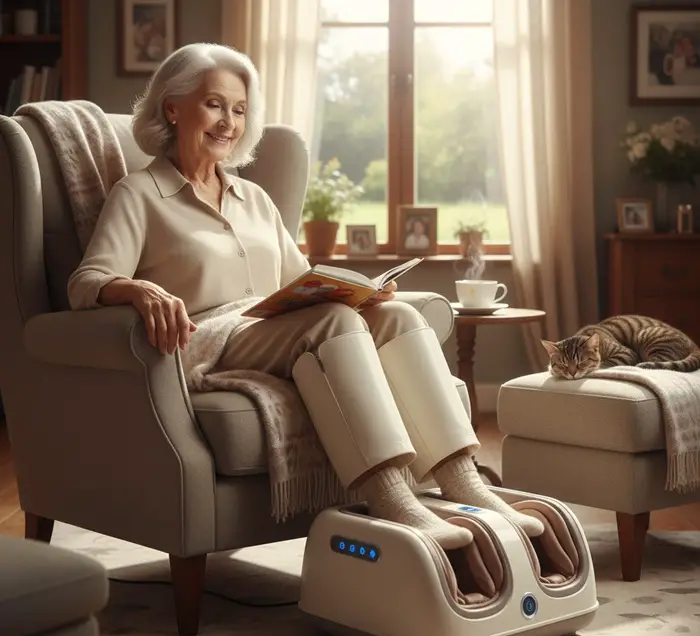
Foot and Calf Massager — Is It Good for Diabetic Foot Pain?
For people living with diabetes, foot health is a top priority. Poor circulation and nerve damage (neuropathy) can cause tingling, numbness, or persistent pain in the feet and calves.
This is where a foot and calf massager can offer real relief — if used properly and safely.
These electric devices combine kneading, rolling, compression, and heat therapy to mimic the hands of a professional masseuse.
By stimulating blood flow and relaxing tight muscles, they help combat the sluggish circulation common in diabetics.
Improved circulation means better oxygen delivery to tissues, faster healing, and reduced swelling in the lower extremities. The gentle compression feature is especially helpful for relieving fatigue after long hours of standing or walking.
However, diabetic users must be cautious with intensity and heat levels. Excessive pressure or high heat can irritate sensitive nerves or cause minor burns in areas with reduced sensation.
Always start with the lowest setting, limit sessions to 10–15 minutes, and never use a massager on open wounds or ulcers. Consulting your doctor or a podiatrist before starting is essential, especially if neuropathy is advanced.
Common foot massage techniques and benefits include:
- Kneading and rolling: to ease tension and stimulate circulation
- Thumb walking: to target pressure points for better nerve response
- Circular motions: to reduce swelling and support lymphatic flow
- Gentle compression: to improve blood return to the heart
Related FAQs
Does fish foot massage work for diabetics?
Fish foot massage, where small Garra rufa fish nibble away dead skin, might seem relaxing, but it’s not recommended for diabetics.
People with diabetes often have reduced sensation and slower healing, making them more vulnerable to infections, even from minor cuts. Since fish spas use shared water and fish, hygiene control can be difficult, increasing the risk of bacterial or fungal infections.
While the treatment may exfoliate well for healthy individuals, it doesn’t improve circulation or nerve pain in diabetics.
Instead, diabetics should focus on safe methods like gentle manual foot massage or electric foot massagers designed for improved blood flow. Always prioritize safety over novelty — diabetic feet need protection, not nibbling fish.
What are foot massage slippers? does it work?
Foot massage slippers are special footwear lined with acupressure nodules or raised beads designed to stimulate reflex points on the soles of your feet while you walk or stand.
The idea is rooted in reflexology — that different areas on the feet correspond to organs and systems throughout the body. When used correctly, they can improve circulation, reduce fatigue, and promote relaxation.
However, results vary by individual. Beginners may find them uncomfortable at first, as the nodes press on sensitive points.
Wearing them for short intervals initially (10–15 minutes) can help your body adapt. While they can’t replace a proper foot massage, they’re a convenient, low-effort way to enjoy passive stimulation and maintain foot vitality during daily routines.
Is foot and ankle massage good for varicose veins?
Yes — gentle foot and ankle massage can be beneficial for varicose veins, but with caution. It helps stimulate venous return, reducing swelling and the feeling of heaviness in the legs.
Techniques like upward strokes, light kneading, and circular motions can encourage blood to move back toward the heart, easing pressure in the veins.
However, it’s crucial to avoid deep or aggressive pressure directly over bulging veins, as this may worsen discomfort or damage the vessel walls. Massage combined with elevating your legs, wearing compression socks, and staying active offers better results.
While massage won’t eliminate varicose veins, it can significantly reduce pain, fatigue, and improve overall circulation for healthier, more comfortable legs.
Final Thoughts
Massaging your feet before bed is more than just a luxury — it’s preventive healthcare disguised as relaxation.
Whether you’re trying to sleep better, ease muscle pain, or simply de-stress, this small nightly habit can have a profound impact on your body and mind.
From the benefits of massaging your feet to its calming psychological effects, every rub helps your body rebalance itself.
So, before you turn off the lights tonight, take five minutes to give your feet the attention they deserve — they’ve carried you all day, after all.

Foot drop is a medical term used to refer to the condition in which the Read more
A sprained ankle is a common injury, and most of us suffer from it at Read more
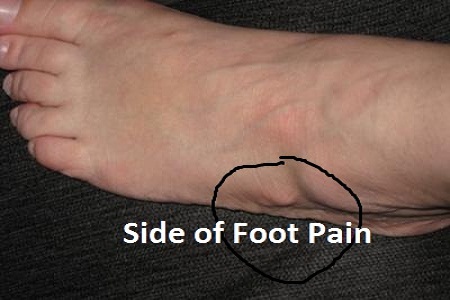
Foot pain may occur at any part of the foot, either on the foot's ball Read more
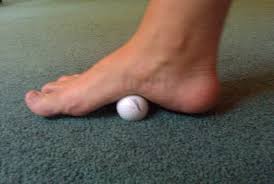
There is a total of 26 bones in the foot, and two arches along the Read more