Lately, there has been a lot of buzz about barefoot shoes and whether they’re good or bad for flat feet.
The fact is that the rise of barefoot shoes has sparked fierce debates among runners, podiatrists, gym-goers, and that one coworker who won’t stop talking about “ground feel.”
Some swear that barefoot shoes strengthened their arches and cured their knee pain. Others say they’re a fast track to tendon problems and regret.
So where’s the truth? Right here. In this deep dive, you’ll learn what barefoot shoes actually are (and what they are not), their real advantages and drawbacks, and whether they make sense for people with flat feet, fallen arches, or high arches.
We’ll also see what podiatrists really think and whether walking or running barefoot is good for your unique foot shape.
Let’s jump in—preferably with good form and a soft landing.
What are Barefoot Shoes?
Barefoot shoes are built to mimic the natural shape and mechanics of your bare feet—just with a protective layer between you and the universe’s sharp objects.
At their core, they aim to allow your feet to function as nature designed, without the interference of thick soles, elevated heels, or rigid support structures.
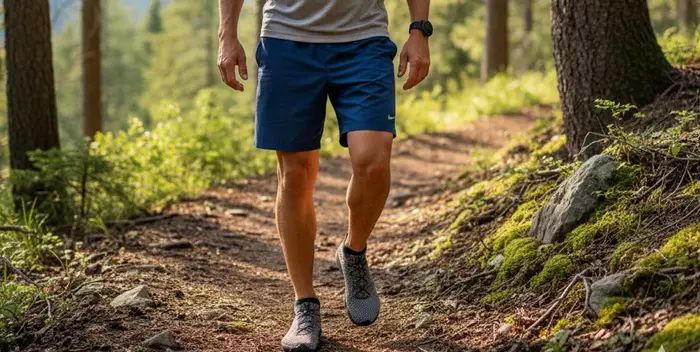
barefoot shoes include zero-drop soles, thin flexible rubber (around 3–6 mm) that boosts ground feel, a wide toe box for natural toe-splay, lightweight construction, and no built-in arch support, relying instead on your foot’s own muscles.
Just as important is what they aren’t: they’re not cushioned running shoes, stability shoes, or quick fixes for foot problems.
They won’t correct overpronation, fix every pain, or build arches overnight. If you switch too fast, the minimal design can feel harsh and overwork your calves and tendons—so expectations and gradual transition matter.
So yes, they’re “podiatrist-recommended barefoot shoes” only for certain people and with specific, careful transitions.
Advantages of Barefoot Shoes
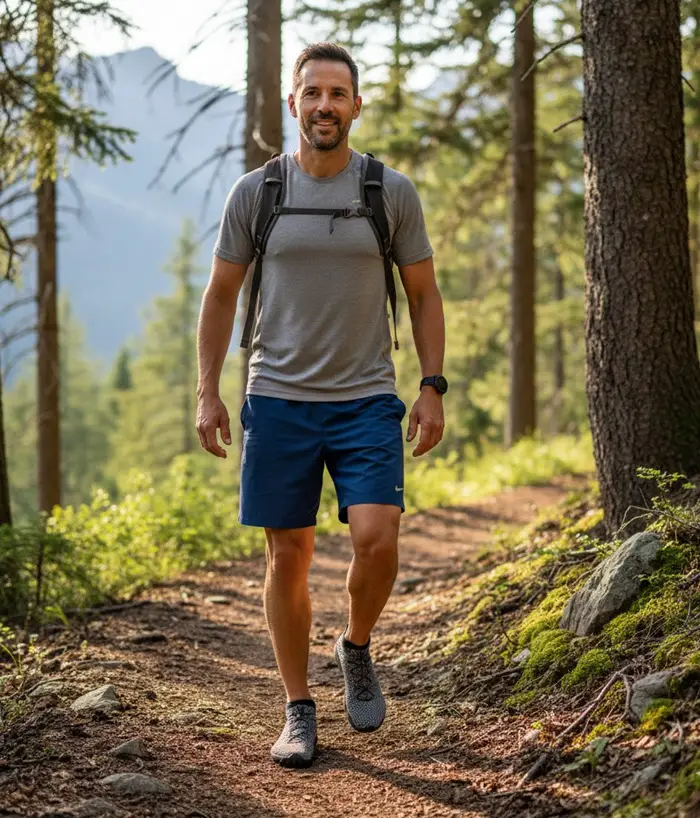
If done correctly, barefoot footwear can deliver real, measurable benefits. That’s why people who love them actually love them.
These are true benefits of wearing barefoot shoes—when your body is ready for the change…
1. Better Foot Strength
The small intrinsic foot muscles—interossei, lumbricals, flexors, and abductors—can weaken from years of stiff, supporting shoes. Barefoot shoes stretch and strengthen them by forcing your foot to work, stabilize, and respond to the ground.
2. Improved Proprioception (Ground Feel)
Feeling the ground beneath you helps your brain calibrate movement more efficiently. This is why dancers and martial artists often prefer minimal footwear.
3. Enhanced Balance and Posture
With toes free to spread, the foot creates a wider base. This can improve alignment and reduce unnecessary pressure on knees and hips.
4. Natural Gait Mechanics
Without elevated heels, your stride shifts toward a midfoot or forefoot landing. This reduces impact forces through the knees and encourages healthier ankle movement.
5. Potential Reduction in Overuse Injuries
Some runners report fewer knee and hip problems because minimalist shoes promote better shock absorption through the foot’s natural spring mechanisms.
6. Lightweight and Flexible
They’re excellent for travel, gym workouts, weightlifting, and daily low-impact movement.
7. Can Help with Toe Alignment
A wider toe box can reduce bunion pressure and prevent toe crowding over time.
Disadvantages of Wearing Barefoot Shoes
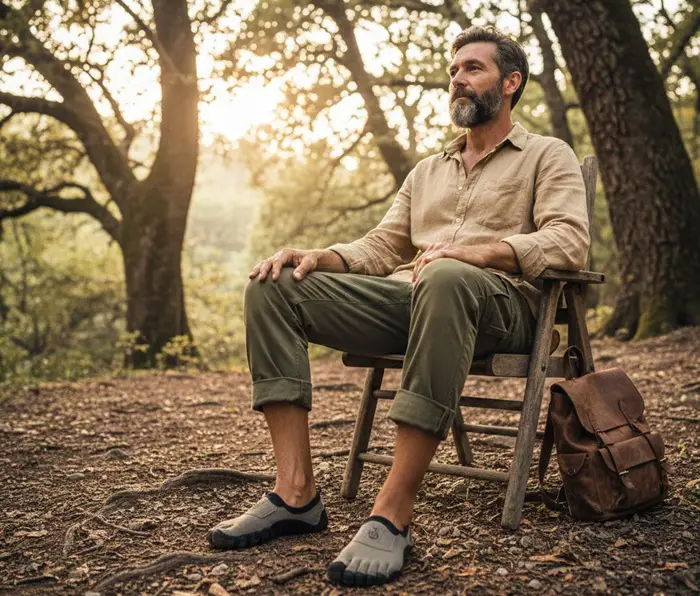
Barefoot shoes are not universally amazing. They come with real risks, especially if you transition too quickly.
1. Increased Load on Calves and Achilles
Barefoot mechanics rely heavily on calf strength. Runners who switch too fast often develop Achilles tendinopathy or calf strains.
2. Little Cushioning
If you walk or run mostly on concrete, the impact can feel unforgiving.
3. Not Ideal for All Foot Types
People with:
- extremely rigid flat feet
- severe overpronation
- neuropathy
- chronic plantar fasciitis
- hypermobile joints
may not tolerate barefoot footwear well.
4. Slow Transition Required
Sometimes up to 6–18 months. Few people have the patience. This is why many ask, “Are barefoot shoes realistic?” For some lifestyles—yes. For others—absolutely not.
5. Risk of Stress Reactions
If your bones or tendons are not conditioned, the sudden switch can overload the metatarsals (forefoot bones).
Barefoot shoes are “minimalist shoes with arch support” only in the metaphorical sense—the muscles supply support, not the shoe.
Are Barefoot Shoes Good for Flat Feet and Arches?
The short answer is yes; barefoot shoes help with flat feet and other foot-related problems such as high arches and plantar fasciitis. And this is because it helps in better circulation and mobility of foot muscles.
But be aware that barefoot shoes are neither miracle cures nor guaranteed disasters. They are tools. They work for many, but the key is whether your anatomy and gait tolerate the increased muscular demand.
Before knowing further, let’s break down the two common foot types first.
Flat Feet / Fallen Arches
People with flat feet either:
- have flexible flat feet (arch appears when not weight-bearing), or
- have rigid flat feet (arch stays flat always, often structural).
Flexible flat feet may respond well to strengthening approaches. Rigid flat feet often don’t change much and may always need external support.
High Arches / Cavus Feet
People with high arches usually:
- have stiffer feet,
- absorb less shock naturally,
- overload the heel and forefoot,
- and often experience ankle instability.
Now the Real Question: Are Barefoot Shoes Helpful?
For flat feet (especially flexible flat feet): Barefoot shoes can help strengthen foot muscles, improve posture, and reduce overpronation—but ONLY with slow, structured transition and sometimes continued use of insoles early on.
Some people thrive and report major improvement; others develop plantar fasciitis flare-ups if they transition too abruptly.
In mild-to-moderate cases, barefoot shoes for fallen arches may indeed help long-term strengthening.
For high arches: Barefoot shoes for high arches can also work, but with caution.
High-arched feet lack shock absorption, so the thin soles of barefoot shoes may feel too harsh. Cushioning or insoles may still be needed.
Should You Wear Socks with Barefoot Shoes for Arch Support?
Barefoot shoes themselves provide no arch support, and socks don’t change that. Socks simply add:
- moisture control
- blister protection
- odor management
They don’t lift or support the arch.
However, toe socks (like Injinji or Xero) can enhance toe alignment and stability. And if you need arch support, you’ll have to use:
- minimalist insoles with light arch contouring
- custom orthotics (if your podiatrist insists)
- taping techniques during transition
But socks are not the solution for structural arch needs.
Barefoot Shoes vs. Arch Support Shoes – What’s the Podiatrist’s Opinion?
Podiatrists are famously split on this. Ask three podiatrists about barefoot footwear, and you’ll get four opinions.
What Traditional Podiatrists Say
Many podiatrists still recommend structured shoes, especially for:
- plantar fasciitis
- severe pronation
- arthritis
- older adults
- very high arches
From this perspective, barefoot shoes lack protection and can overload the foot.
What Modern, Movement-Focused Podiatrists Say
Some progressive practitioners believe:
- most feet get weaker in overly supportive shoes
- movement diversity prevents injury
- natural foot mechanics matter
- barefoot training helps improve long-term resiliency
These clinicians may offer “podiatrist recommended barefoot shoes” for select patients but always with strict progression steps.
Overall Podiatry Consensus
- Barefoot shoes are safe for many people if introduced slowly.
- Some people will always need support (arch support shoes, orthotics, etc.).
- The debate is not about being “for” or “against” barefoot shoes; it’s about matching the shoe to the person.
So the question “do podiatrists recommend barefoot shoes?” gets a mixed—yet nuanced—answer: sometimes, for the right feet, with the right plan.

Is Walking or Running Barefoot Good for Your Flat Feet and High Arches?
Walking barefoot is generally safe for most people, especially on grass, sand, or soft indoor surfaces. It strengthens the foot and improves sensory feedback.
For Flat Feet
Walking barefoot can help strengthen weak intrinsic muscles, making gait more efficient. But overdoing it—especially on hard surfaces—can worsen heel or arch pain.
For High Arches
High-arched feet are naturally rigid and poor shock absorbers. Walking barefoot may increase impact stress, but doing it occasionally on soft ground is often beneficial.
Running? Whole Different Story
Running barefoot for high arches can offer benefits such as midfoot landing and better toe engagement—but the impact can be brutal on stiff feet.
And for flat feet, running barefoot requires the foot to absorb more shock, sometimes too much.
Features to Look for When Buying Barefoot Shoes for Flat Feet, High Arches, and Other Issues
The good thing about barefoot shoes is you can wear them every day.
However, the thing you need to remember while picking these shoes is that they can take some time to adjust and breaking-in according to your feet.
Once your feet get familiarised with your barefoot shoes, with their flexibility and overall feel, you will start getting comfortable in them.
If you are planning to buy a pair of barefoot shoes for your flat feet, here are a few features you should look at;
1- Material
The very first thing to check in your barefoot-style shoes is the right material that is breathable, flexible, and comfortable.
When picking them, make sure that their upper mesh fabric is good enough to reduce the moisture build-up and foul odor.
Also, it should have a softer inner material that is soft and gentle on your skin to prevent any chafing and discomfort.
2- Protection
In addition to soft, gentle material for comfort, you must pick the shoes that come with good padding for extra protection.
Getting a pair of shoes, that’s designed with added padding along with light foam edgings will help to protect the most vulnerable areas of your feet and toes from all kinds of external elements.
3- Toe box
The toe boxes on your regular shoes can be a reason for discomfort, especially for the toes that are crammed into the tight spaces.
Plus, as we age, our toes get splayed and cramped or curled due to the inappropriate shoe style.
Barefoot trainers, on the other hand, are designed in such a way (with a wider toe box) that they can help you restore your toe splay better.
4- Heel-to-drop
Choosing the right heel to drop is also important when you want to pick barefoot running shoes for flat feet.
Most podiatrists recommend getting a heel-to-toe drop of about 1mm as it will make your footwear more comfortable when it touches the concrete of the ground while walking or running.
5- Size & Fitting
You can go wrong if you take a conventional approach (choose the regular size and fitting) for your minimalist footwear.
Since most of the barefoot shoes come with a bit smaller size fitting, it’s best to put your shoes on and take a small run before you actually make a purchase.
Or, if you are purchasing online, it’s good to get one size larger than your regular shoes.
The shoes you choose should snuggly fit not only from heel to the arch but also provide you enough toe box room for foot splay.
6- Outsole & Grip
The kind of outsole and grip you need for your shoes will largely depend on the type of task you are intended to use them for.
Your barefoot shoes for trail running, for example, need to have a better grip and a thicker outsole, while the outsoles of the barefoot shoes for walking do not need to have too much thickness.
7- Durability
Lastly, the durability of the barefoot shoes you pick should not be overlooked.
To get an idea of how durable the shoes you are picking are and how long they will last, it is good to go through the manufacturer’s description and guidelines for using the shoes.
Also, check the customer’s reviews and claims they made along with any problems they found with the particular shoe model.
FAQs
Can barefoot shoes help correct flat feet?
They may help strengthen the arch in flexible flat feet. Rigid structural flat feet are less likely to change.
How long does it take to transition to barefoot shoes?
Anywhere between 3 months and 18 months, depending on foot strength and previous shoe history. Slow and steady wins this race.
Can I use barefoot shoes for dancing or gym training?
Yes, but for activities like ballet or contemporary dance, you may need arch support for barefoot dancing, depending on your foot structure.
Are barefoot shoes good for plantar fasciitis?
Sometimes yes, sometimes no. Early stages often worsen symptoms; later stages may benefit from gradual strengthening.
Most barefoot shoes have zero arch support by design. A few brands offer ultra-minimal insoles, but these still maintain the natural foot mechanics.
In conclusion,
Barefoot shoes are a powerful tool—but only when used wisely. They encourage natural mechanics, strengthen neglected muscles, and improve balance and posture.
But they’re not for everyone, and they require patience. For flat feet, fallen arches, or high arches, barefoot shoes can be incredibly helpful or totally uncomfortable depending on your anatomy, gait, and training approach.
If you’re considering the switch, consult a movement-focused podiatrist on barefoot shoes, take it slow, and pay close attention to pain signals. Think of barefoot shoes as a long-term relationship: rewarding, challenging, and only successful when you actually commit to doing it right.

High heels may be small in size, but they carry an oversized influence on how Read more
Arthritis is a swelling that takes place in one or more joints due to pain Read more
Leg injuries, fractures, and ankle sprains are nothing new for athletes. The most depressing part Read more
Those who love to jog and run face many challenges in keeping their feet, ankles, Read more